This category holds anvil horns and horn attachments that bolt onto or sit beside a main anvil body to give you a curved working surface for forming metal. Each item differs mainly in how long the horn is, how thick its base runs, and whether it is cast as part of an anvil or made as a separate stand-alone piece. Some horns are wide and gently tapered for broad curves, while others are slim and sharp for tight bends and rings.
8 products
Anvil Horns
Anvil horns are the rounded, tapered projections on an anvil, and they handle bending and shaping work that flat faces cannot.
Product List


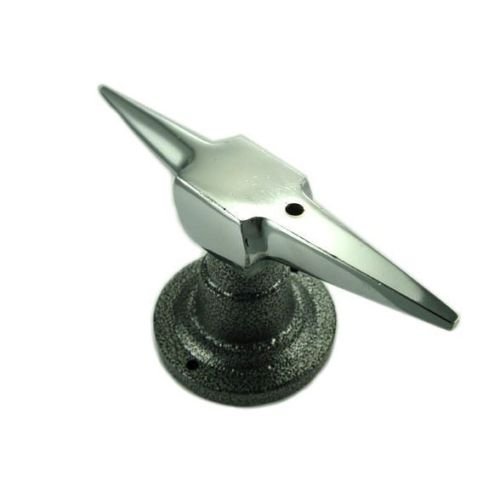
Start by thinking about the kind of work you plan to do most, since a long horn suits large sweeping curves and a short, stubby one suits small detail work. Look at the material too, because a steel horn with a hardened face resists dents and wear better than a soft cast version that can chip under heavy hammering. Check that the horn's base and mounting method match your stand or stump so it stays solid while you work.
Size matters beyond just length, so pay attention to the horn's diameter at its widest and narrowest points and whether the taper suits the radius you want. A heavier horn adds stability but can be harder to move, while a lighter one is easier to handle but may ring and shift more under blows. Weight and balance should line up with the rest of your anvil setup for the most controlled results.
Care for your horn the same way you care for the rest of your shop tools by keeping the working surface clean, dry, and lightly oiled to prevent rust. Inspect the face regularly for cracks, chips, or loose mounting bolts, and tighten or repair anything before you resume work. A little routine maintenance keeps a horn accurate and safe for years of use.